
Cooperative webshops and museum-affiliated stores typically curate verified crafts, publish maker backgrounds, and reinvest proceeds into education and preservation. Look for detailed product pages showing tools in action, regional references, and maintenance advice. If an item links to exhibitions, workshops, or community programs, you are likely supporting a broader cultural ecosystem rather than an anonymous, profit-only distribution channel.
Many Slovenian artisans maintain modest but sincere websites or social pages linked to small commerce engines. You often find process journals, behind-the-scenes videos, and progress photos there. Use contact forms to ask about material sourcing, custom sizing, or repairs. Responsive communication and consistent visual storytelling strongly indicate a working studio where your order funds tools, training, and time.
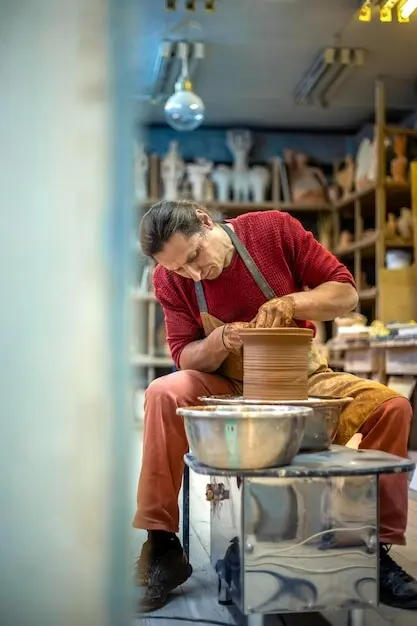
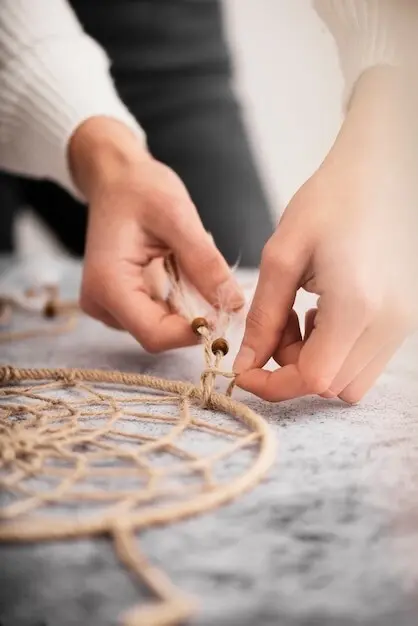
Look for gentle asymmetry, purposeful tool impressions, and finishes that reveal rather than conceal grain or thread. Lace tension varies subtly; carved spoons carry minute facets; ceramics show glaze pooling and breath. These cues celebrate intention and patience. Mass uniformity often removes narrative. Authenticity thrives where craftsmanship invites you to notice time, touch, correction, and learned restraint.
Ask how a pattern evolved, why a handle shape changed, or which forest nurtured the wood. Thoughtful, specific stories typically accompany authentic work, not generic copy. A maker who welcomes questions invites accountability and partnership. Their openness forms part of the value, transforming your purchase from a decorative object into a relationship sustained by curiosity, respect, and continued care.
Genuine sellers offer receipts showing names, locations, and materials, sometimes including care cards or repair options. Aftercare promises reveal confidence in durability and foster circularity through maintenance instead of replacement. Save documentation; it protects provenance and enables future restoration. Responsible crafts mature with you, gathering patina and meaning, rather than collapsing into landfill-bound disappointment after a single fashionable season.

Choose tracked services and protective yet minimal packaging. Request cardboard, paper, and natural padding over plastic when feasible. Expect slightly longer timelines for made-to-order items. Communicate travel deadlines early, and remember that slower, consolidated shipping can reduce emissions. Makers who balance safety, sustainability, and clarity help your cherished purchase arrive gently, without wasteful layers or stressful, last-minute surprises.

If you live outside the European Union, ask about duties and declared values to avoid unpleasant surprises. Read return windows and restocking policies carefully, noting exceptions for custom work. Clear policies demonstrate professionalism, not distrust. Keep unboxing videos for insurance claims, and contact the maker promptly if issues arise. Most artisans prefer repair or replacement solutions that honor effort and resources.

Support longevity through gentle cleaning, seasonal conditioning, and sensible storage. Lace appreciates breathable wrapping; wood prefers food-safe oils; ceramics enjoy padded shelves; wool benefits from airing and moth deterrents. Ask for studio-specific recommendations, as each glaze, finish, or stitch behaves uniquely. Performing maintenance becomes a ritual of respect, anchoring your home in mindful stewardship rather than fragile display-only habits.

All Rights Reserved.